
0102030405
Squeal, Rattle, or Grind? Decoding the Noises Your Calipers Make
2026-10-31
Brakes talk, but the language is easy to misread. A high-pitched squeal, a single click per wheel turn, a rattle over bumps, or a metal-on-metal grind all get lumped together as "brake noise," yet they point to different parts — and different levels of urgency. Some come from the pads, some from the caliper hardware, and a grinding sound means the problem has already gone too far. Learning to match the noise to its source keeps you from replacing pads that are fine, or ignoring a loose caliper that can come apart.
Match the Noise to the Cause
Listen to when the sound happens — cruising, under light pedal, over bumps, or only when stopping — and you narrow the cause fast:
1. High-pitched squeal while cruising or lightly braking. This is usually pad-related: a worn metal wear indicator touching the rotor, glazed pads, or a missing anti-rattle clip letting the pad vibrate. Occasionally it comes from a caliper that does not fully release and keeps a pad brushing the rotor.
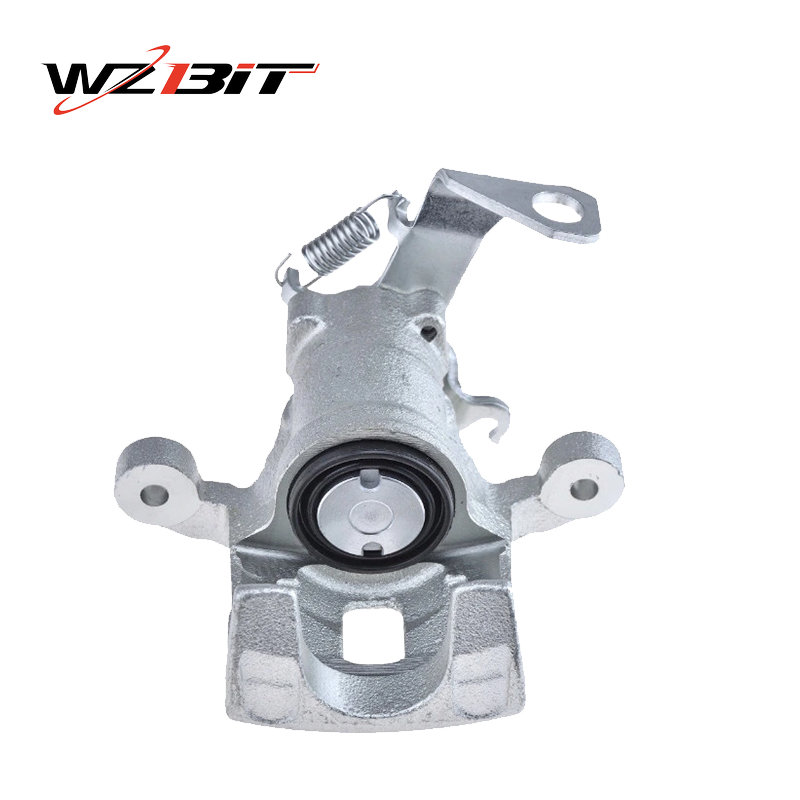
2. A click or clunk once per wheel turn. A repeating click timed to rotation, louder under light brake pressure, means something in the caliper assembly has play it should not — most often worn or missing anti-rattle clips, a pad shifting in the bracket, or dried-out guide pins whose rubber boots have failed.
3. Rattle over bumps that fades when you touch the pedal. Loose pad hardware, excess clearance in the bracket, or worn guide pins let the assembly knock on rough roads; light pedal pressure takes up the slack and silences it. Braking can still feel normal, so this is easy to dismiss — but a loose assembly rarely tightens itself.
4. Metal-on-metal grinding. This is the urgent one: the pad lining has worn to its backing plate, or a seized caliper keeps a pad dragged against the rotor. Grind under braking means stop driving and service immediately.
5. A groan or squeak only while the pedal is applied. Usually pad glaze or vibration rather than a caliper fault; light refinishing or new pads settle it, but always check the slide pins at the same time.
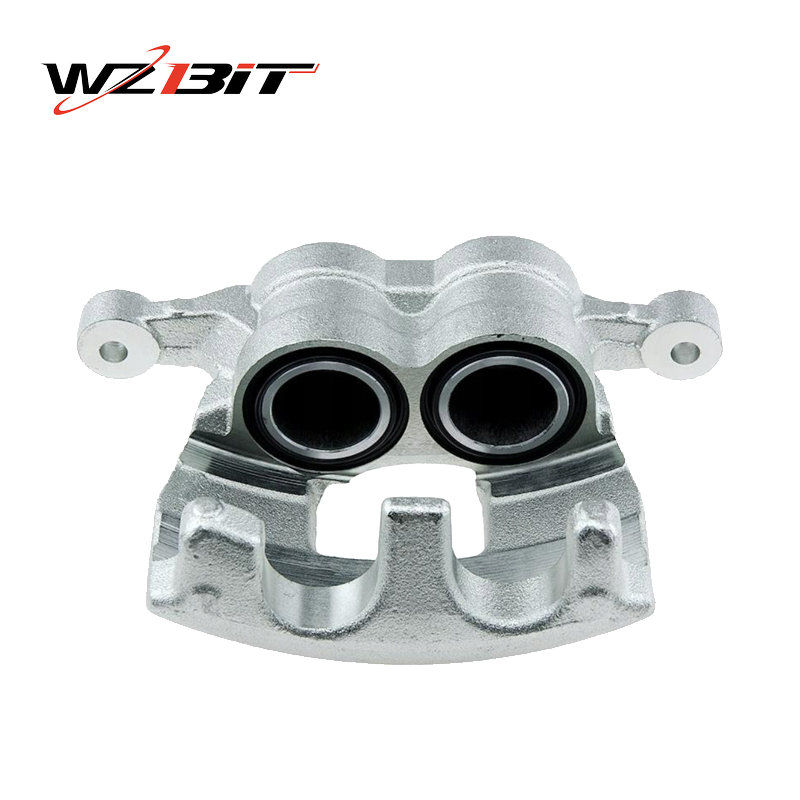
Quick Checks Before You Take It Apart
- Note when the noise appears: cruising, light pedal, hard stop, or over bumps — the timing isolates the source.
- Look through the wheel spokes at pad thickness; a thin pad with a metal tab points to the wear indicator.
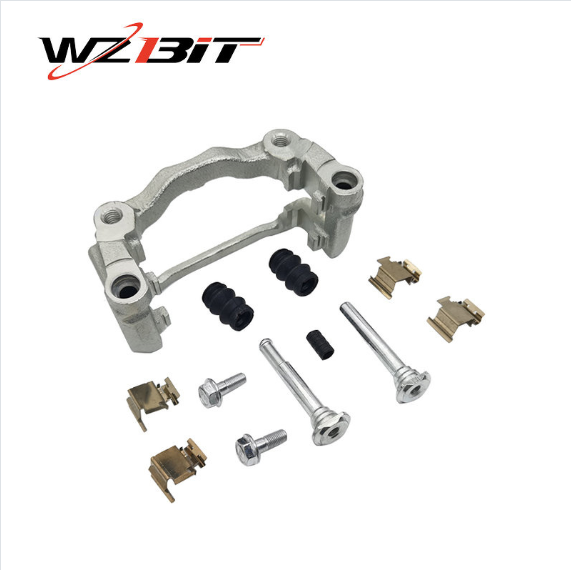
- Check for a missing or bent anti-rattle clip and pad shim on both sides.
- Feel whether the noise disappears with a light pedal press — that points to loose hardware rather than pads.
- Inspect guide pins and boots for dryness, cracks, or corrosion.
- A hot wheel, burning smell, or constant drag alongside the noise points to a sticking caliper, not a simple squeak.
How to Quiet It the Right Way
- Replace worn anti-rattle clips, shims, and abutment hardware when doing pads — reused, tired clips are the top cause of a new-squeal after a brake job.
- Lubricate slide pins with high-temperature brake grease and fit new boots so the caliper moves freely and cannot rattle.
- Reseal or rebuild a caliper whose pins are seized; replace the whole unit if the bore or piston is damaged.
- Turn or replace glazed, scored, or worn rotors rather than laying new pads on a damaged surface.
- Use manufacturer-approved pad compounds and shims for the vehicle to reduce vibration-induced squeal.
- Never silence a grind with grease or a spray — it masks a safety problem while the rotor and pad wear out.
Your Brake Noise Questions, Answered
Is a squeal always a worn pad? No. Squeal can come from glazing, a missing anti-rattle clip, pad vibration, or a caliper that does not fully release. Check pad thickness and hardware before assuming the pads are gone.
Why does the rattle stop when I lightly press the brake? Because light pressure takes up the loose clearance between the pad, clips, bracket, and pins. That confirms the noise is loose hardware rather than a pad contacting the rotor.
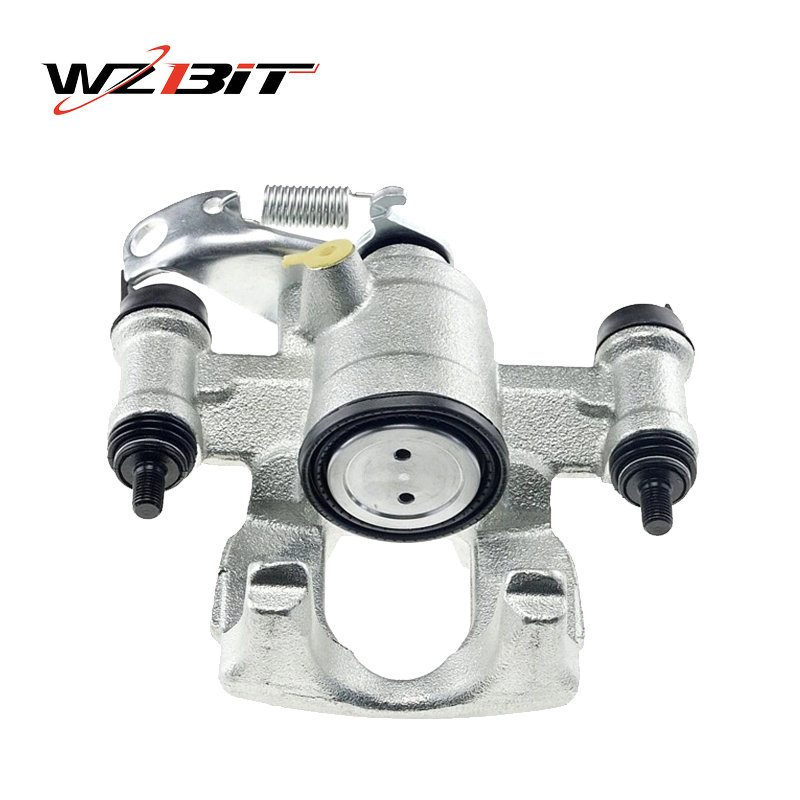
Can a bad caliper make noise while still braking fine? Yes. Dry, loose, or corroded guide pins and worn bracket hardware rattle over bumps long before braking feel changes, so normal stopping does not rule out a loose caliper assembly.
When is brake noise an emergency? Continuous metal grinding, a hot wheel, a burning smell, or a soft pedal. Those mean contact, drag, or fluid loss — service before the next drive, not at the next oil change.
Every brake noise has a timing: squeal while cruising points to pads or clips, click-per-turn and bump rattle point to loose caliper hardware, and grind points to wear or seizure. Match the sound to when it happens, check the clips and pins first, and fix the actual source instead of muting the symptom — and the brakes go quiet without hiding a problem underneath.