
0102030405
Loaded or Unloaded? What That Caliper Listing Actually Means
2026-11-02
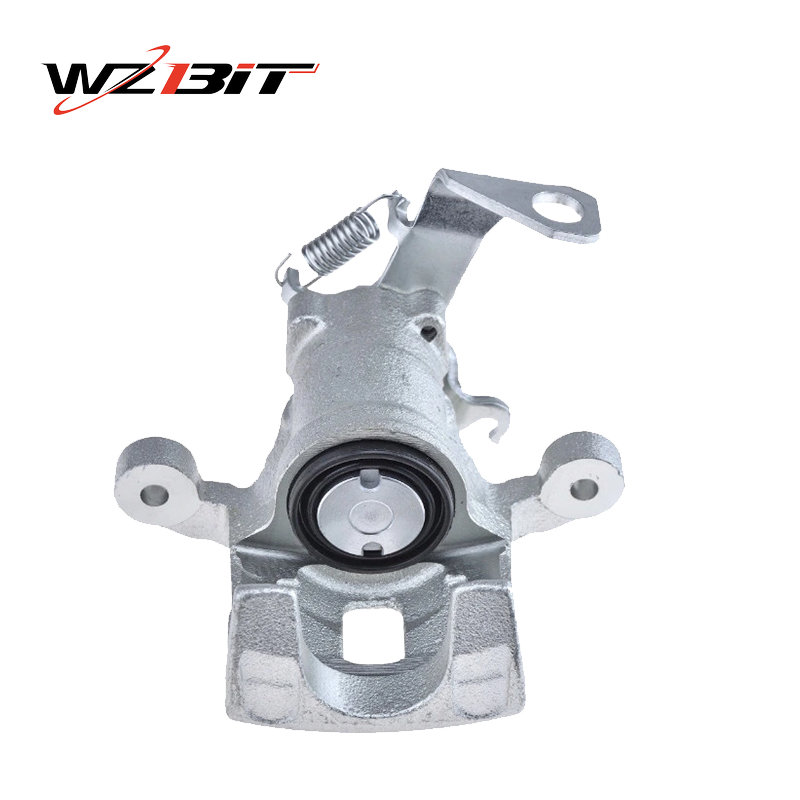
Shopping for a replacement caliper online, you will see the words "loaded," "semi-loaded," and "unloaded" on listings that otherwise look identical. They describe how complete the box is — whether you are buying just the bare casting, or a bolt-on assembly with pads and hardware already fitted. Choosing the wrong package means either paying for pads you did not want or making a second trip to buy parts that were missing. Knowing the difference saves time, money, and a half-finished brake job.
Three Ways a Caliper Comes in the Box
The same caliper body can be sold at three levels of completeness:
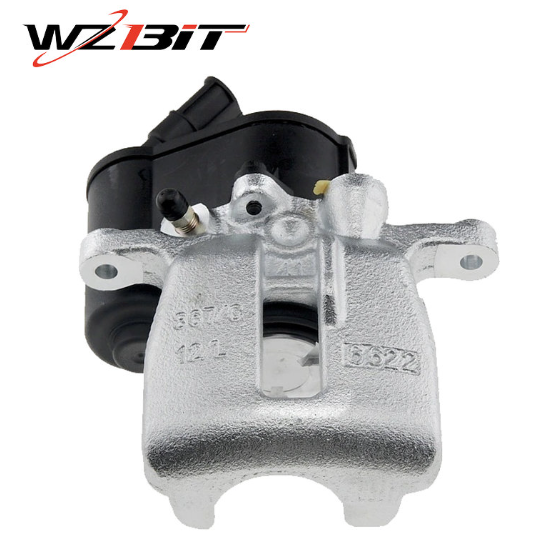
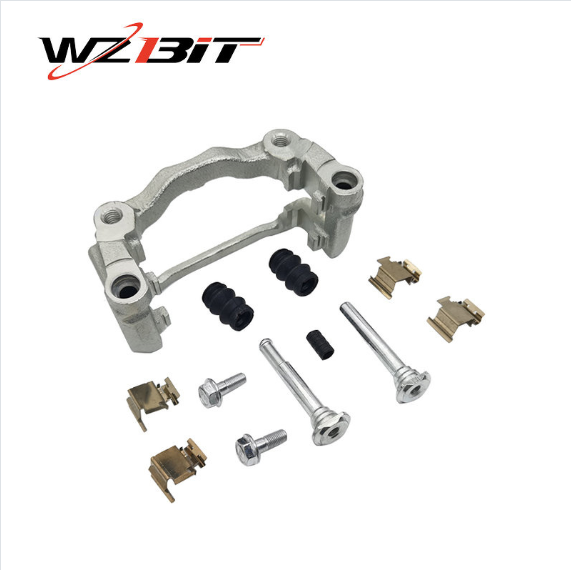
1. Loaded — ready to bolt on. A loaded caliper arrives with the body, piston, seals, dust boot, slide pins and boots, pin grease, bleeder screw, and brake pads already installed; some also include the mounting bracket. You unbolt the old unit, bolt this on, connect the hose, bleed, and drive. It is the fastest, most DIY-friendly option.
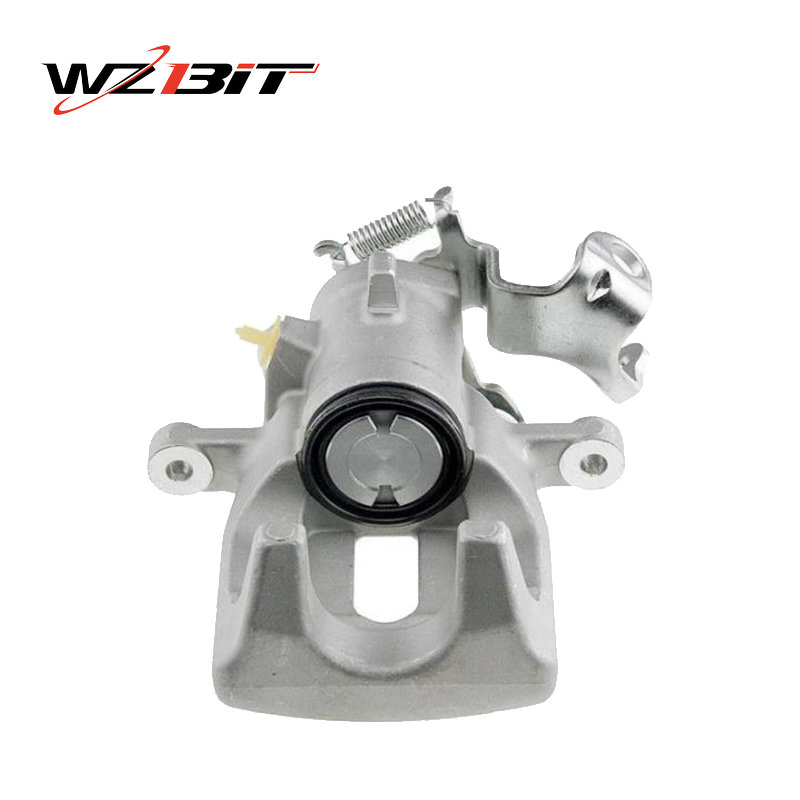
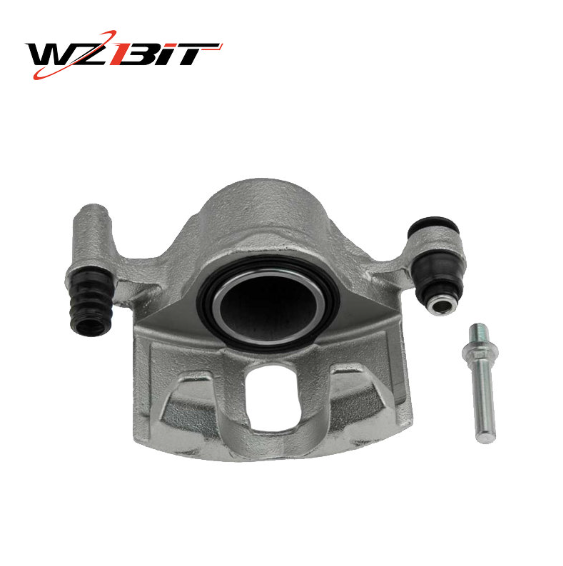
2. Semi-loaded — hardware but no pads. This package includes the caliper with mounting bracket and hardware, but leaves the brake pads out so you can choose your own compound. It balances convenience with control over pad material.
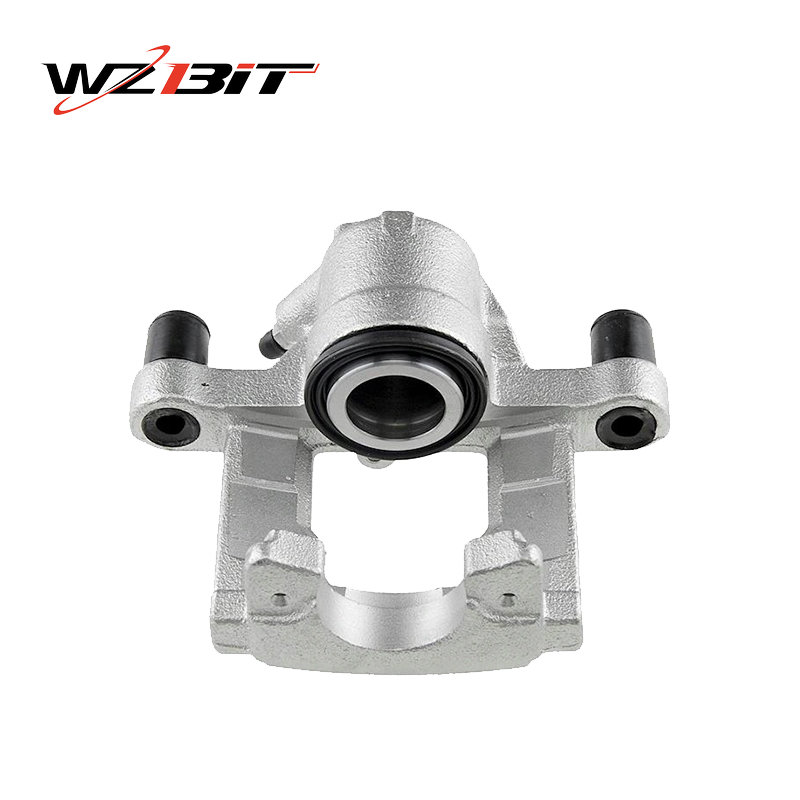
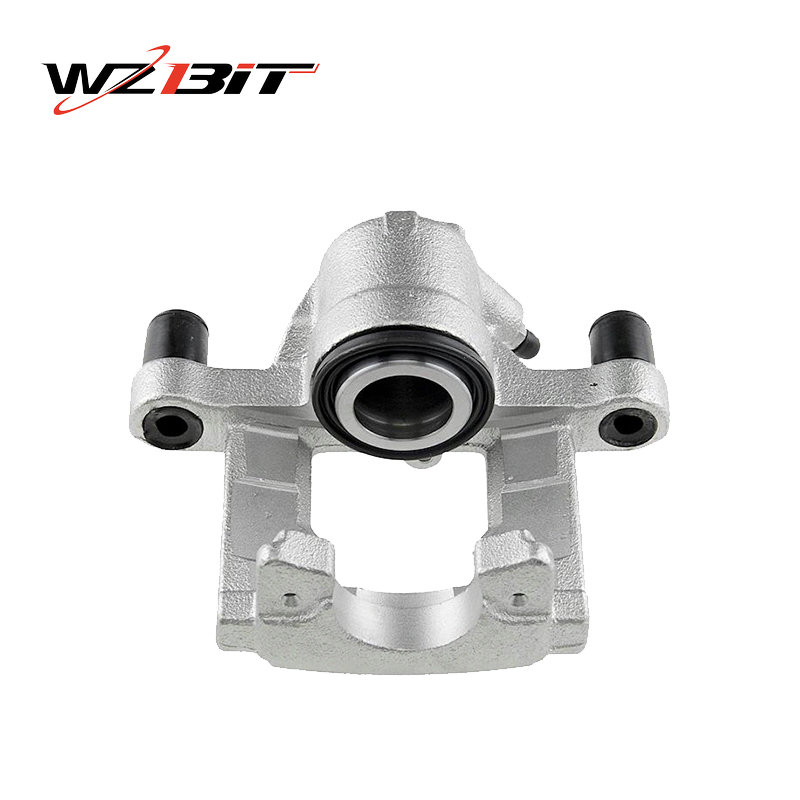
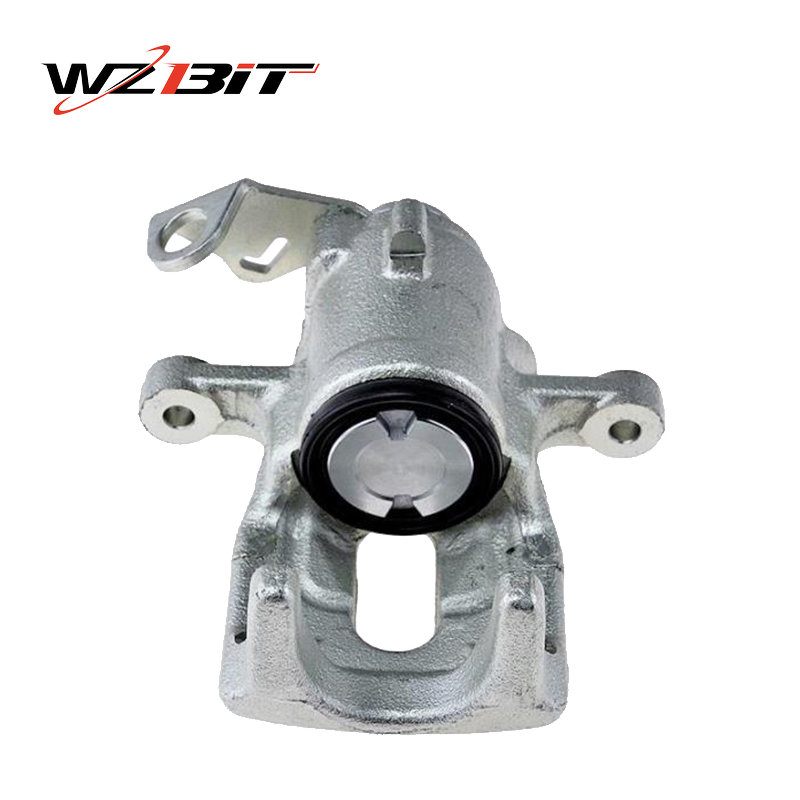
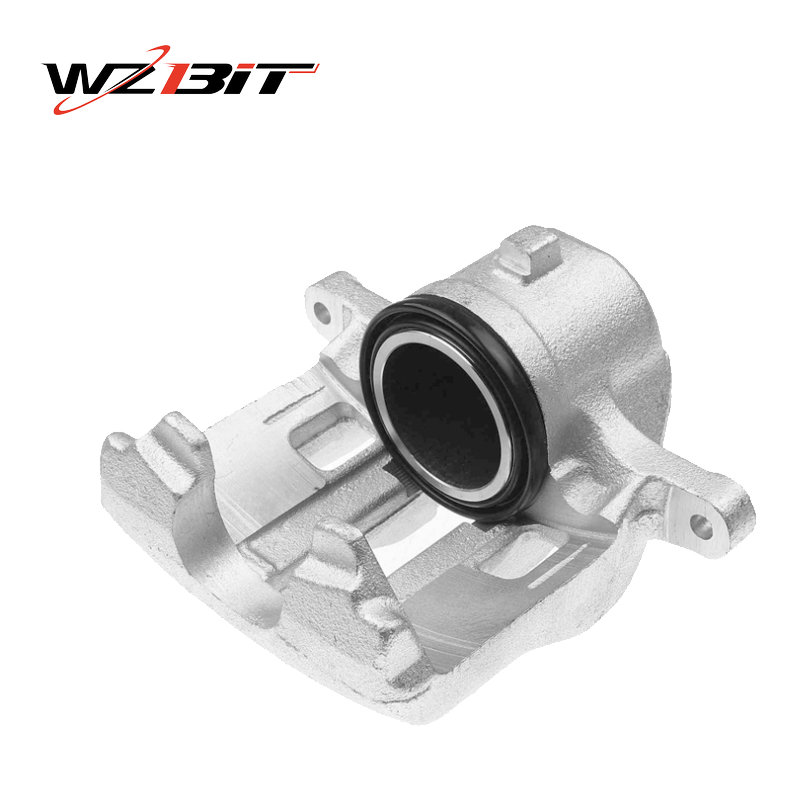
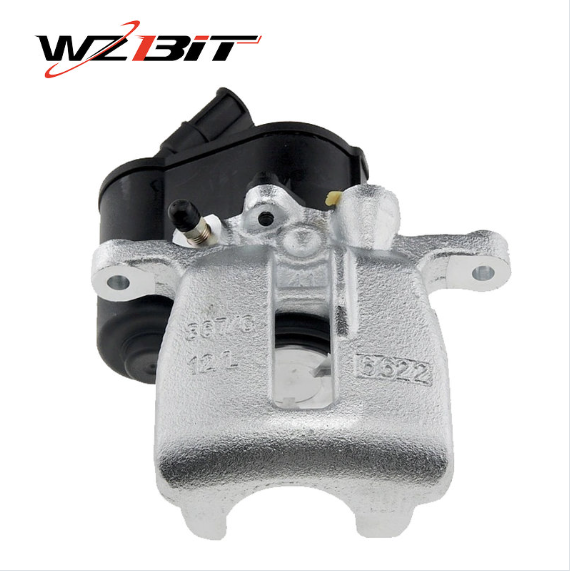
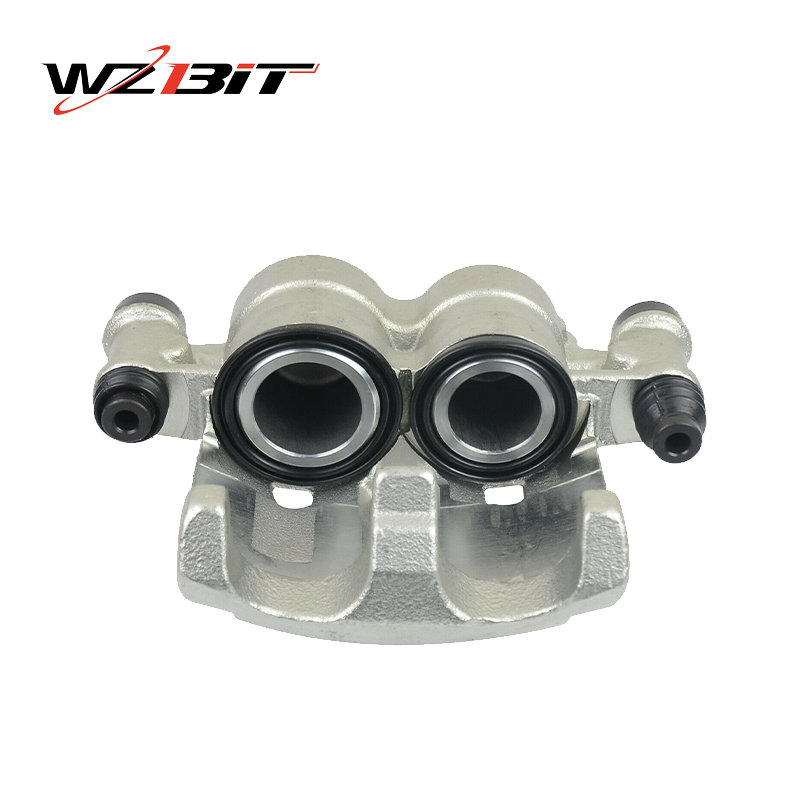
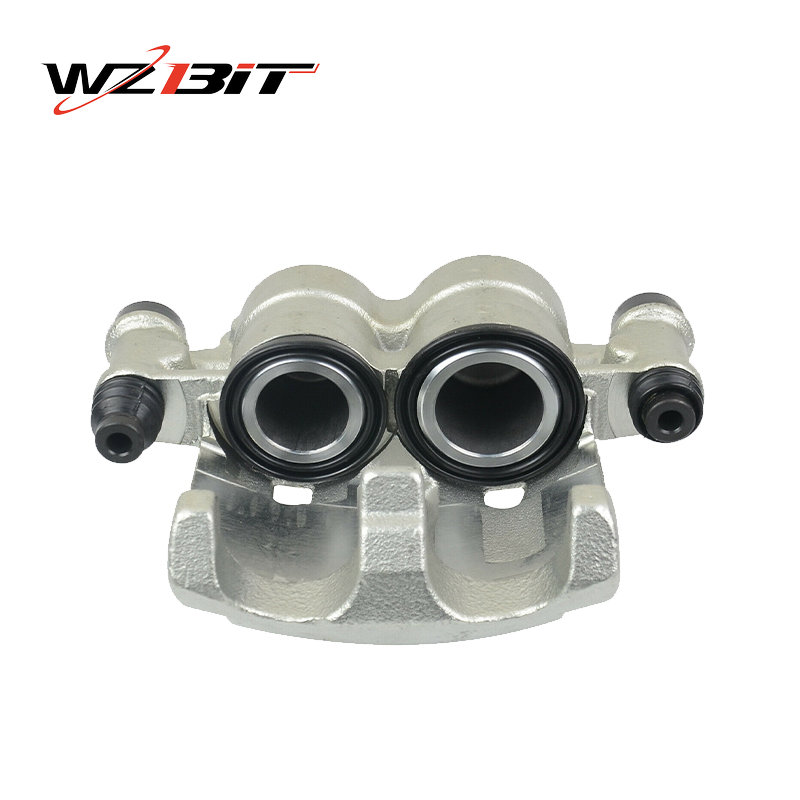
3. Unloaded — the bare caliper. You receive only the caliper body. Pads, hardware, shims, and often the bracket must be purchased separately and fitted during installation. It carries the lowest upfront price but requires the most parts planning and labor.
Loaded vs. Unloaded at a Glance
- Pads included: Loaded yes; semi-loaded no; unloaded no.
- Bracket/hardware: Loaded usually yes; semi-loaded yes; unloaded usually separate.
- Installation speed: Loaded fastest, bolt-on; semi-loaded moderate; unloaded slowest.
- Pad choice: Loaded limits you to the supplied compound; unloaded lets you select any pad.
- Upfront cost: Unloaded lowest; loaded highest because it bundles pads.
- Best for: Loaded for quick DIY swaps; unloaded for enthusiasts, fleets, and specific pad requirements.
- Watch out: Supplied loaded pads may not match a premium compound you would choose separately.
How to Pick the Right Package
- Inspect your current pads and bracket first — if pads and hardware are fresh, an unloaded caliper avoids paying for duplicates.
- Match the pad to the job: a towing truck or heavy vehicle may need a semi-metallic rather than a generic ceramic, which argues for semi-loaded or unloaded.
- Check whether your vehicle's bracket transfers over or must be replaced; confirm the listing states bracket inclusion.
- For a simple DIY single-corner swap, loaded removes guesswork and second orders.
- For a shop or fleet buying in volume, unloaded lets you standardize your own preferred pads.
- Always verify the rotor condition regardless of package — dragging usually cooks the rotor too.
Your Loaded vs. Unloaded Questions, Answered
Does "loaded" mean new pads are guaranteed good quality? Not automatically. Loaded pads are convenient but often a basic compound; if you want a specific premium, towing, or low-dust pad, choose semi-loaded or unloaded and fit your own.
Is unloaded always cheaper overall? The caliper itself costs less, but once you add pads, hardware, and bracket separately, the gap narrows. Compare the full installed cost, not just the unit price.
Can I swap an unloaded caliper myself? Yes, if you source the correct pads, shims, and hardware and are comfortable bleeding the brakes. Loaded simply removes those extra purchases.
Which do shops usually buy? Shops and fleets often choose unloaded or semi-loaded to keep their own pad inventory, while DIY owners favor loaded for a one-and-done install.
Loaded, semi-loaded, and unloaded are not different calipers — they are different levels of the same box. Loaded trades pad choice for speed; unloaded trades convenience for lower upfront cost and full control. Read what the listing actually includes, match the pad to how the vehicle is used, and compare the full installed price, and you will buy the right package the first time.