
0102030405
Is Rust on My Brake Calipers Safe? How to Tell the Difference
2026-11-03
A quick look through the wheel spokes and many drivers see orange-brown on the caliper and panic. The truth is more reassuring: light surface rust on a cast-iron caliper is normal and rarely a safety problem, while rust in the wrong place — the piston, the bore, or the guide pins — is exactly what seizes calipers and causes leaks. The skill is telling harmless patina apart from corrosion that is about to fail. Getting this wrong either means throwing away a perfectly good caliper or ignoring one that is quietly seizing.
Three Levels of Rust — and What Each Means
Not all rust is the same. Judge it by depth and location:
1. Surface rust — usually cosmetic. A thin, reddish film on the outside of the casting. It forms because bare cast iron oxidizes in moisture, and much of it even wears away with braking. If the caliper moves freely, seals are intact, and there is no fluid leak, this level is safe to clean and treat.
2. Scale and pitting — warning territory. Flaky, raised patches or small pits in the metal mean corrosion has taken hold over time. Pitting on the housing weakens the casting; pitting on slide pins or around the guide holes causes binding that leads to drag and uneven pad wear. This stage needs inspection and often reconditioning.
3. Critical corrosion — replace the caliper. Rust on the piston, inside the bore, or under the seal is the dangerous kind. Deep pitting, seized pins or bolts, torn boots with visible piston scoring, or any fluid leak means the seal can no longer hold pressure. No amount of wire brushing fixes a corroded bore — the caliper must be replaced.
Why Some Calipers Rust Faster Than Others
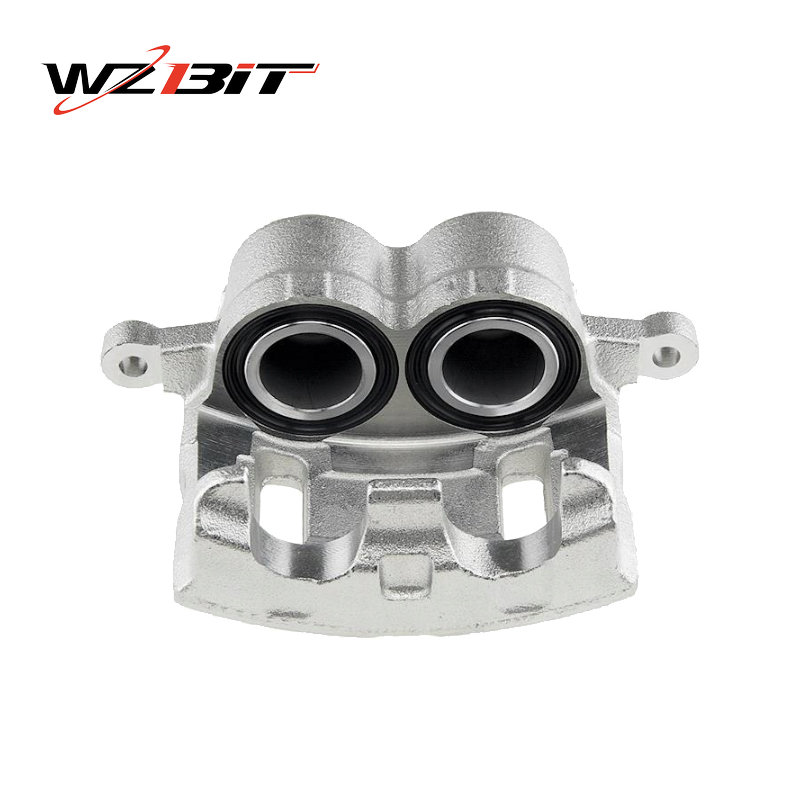
- Bare, uncoated cast iron oxidizes quickly; an e-coat, zinc plate, or powder coat slows it dramatically.
- Winter road salt and chloride brines (calcium and magnesium chloride) are far more corrosive than plain moisture.
- Humid coastal climates and frequent rain keep the metal constantly damp.
- Torn or missing dust boots let moisture reach the piston and bore from inside.
- Neglected, dry slide pins trap grit and salt against the guide surfaces.
- Cheap spray-paint "coating" offers almost no protection and flakes off, hiding corrosion underneath.
How to Treat It and Stop It Coming Back
- Clean external surface rust with a wire brush or wheel, then treat with a high-temperature caliper paint or chassis-style corrosion protector — cosmetic only, not a structural repair.
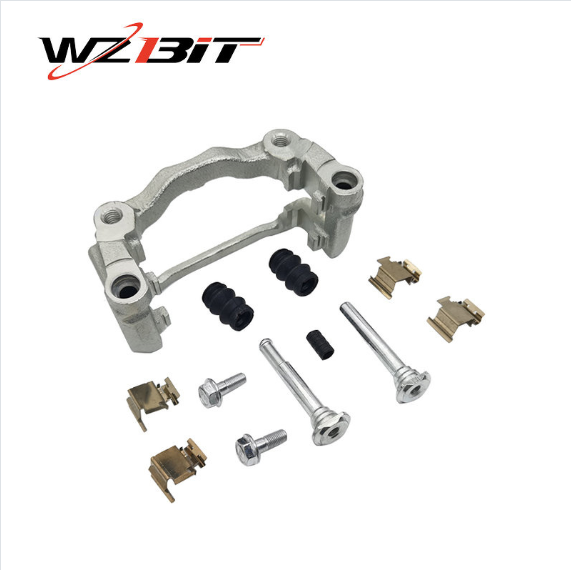
- Inspect guide pins: clean, regrease with high-temperature brake grease, and replace any cracked boots.
- Replace the caliper if you find pitting inside the bore, a scored piston, seized hardware, or a fluid leak.
- Wash road salt off the wheels and caliper area regularly through winter; do not power-wear directly into the boot seals.
- Flush brake fluid every 2–3 years to remove moisture that rusts the bore from inside.
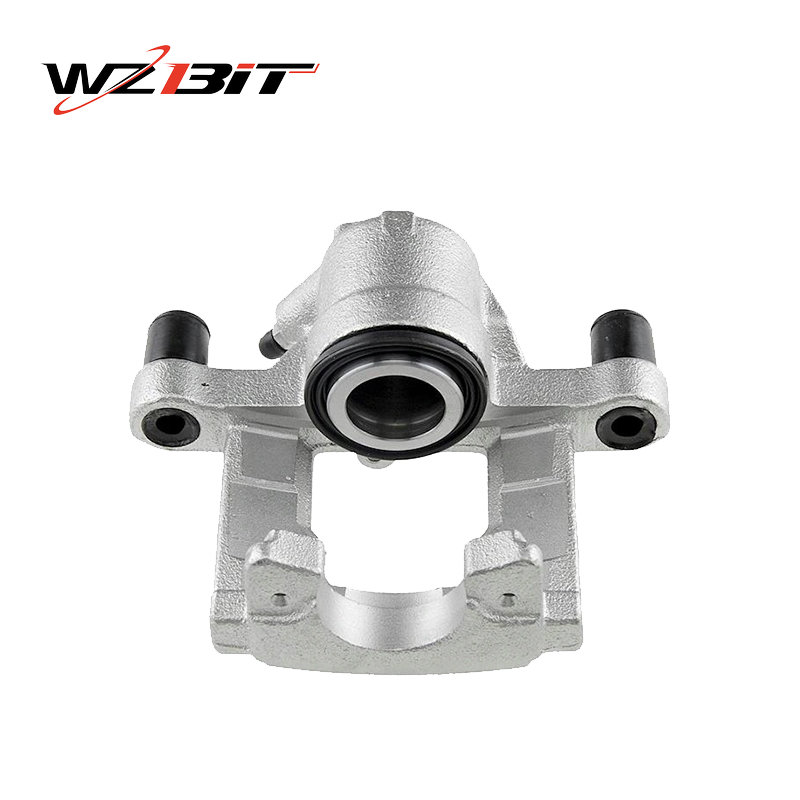
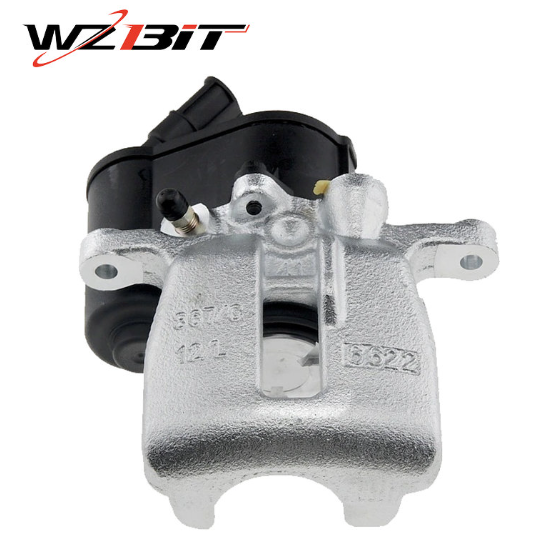
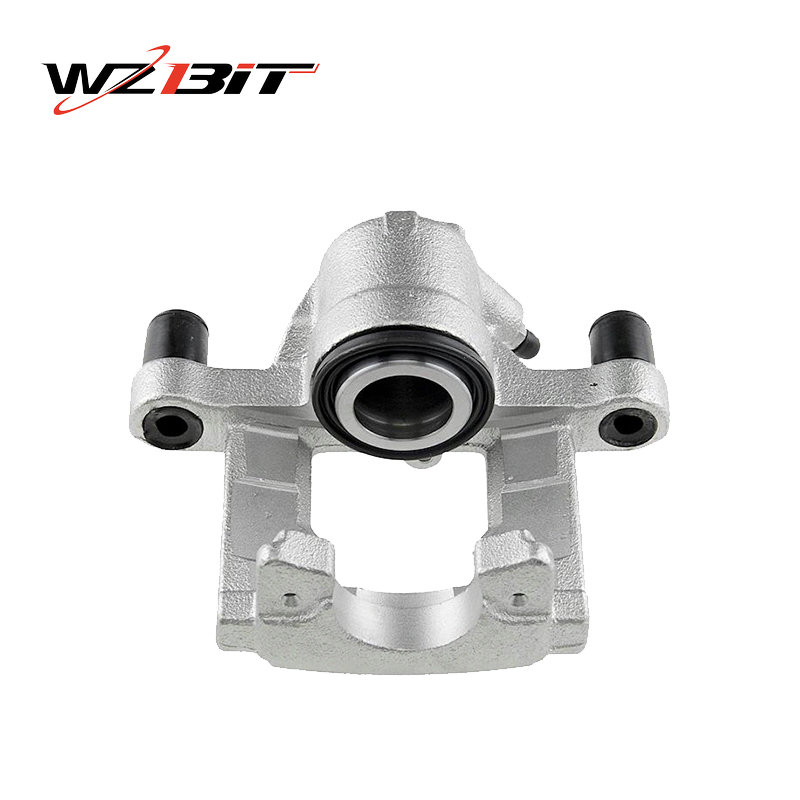
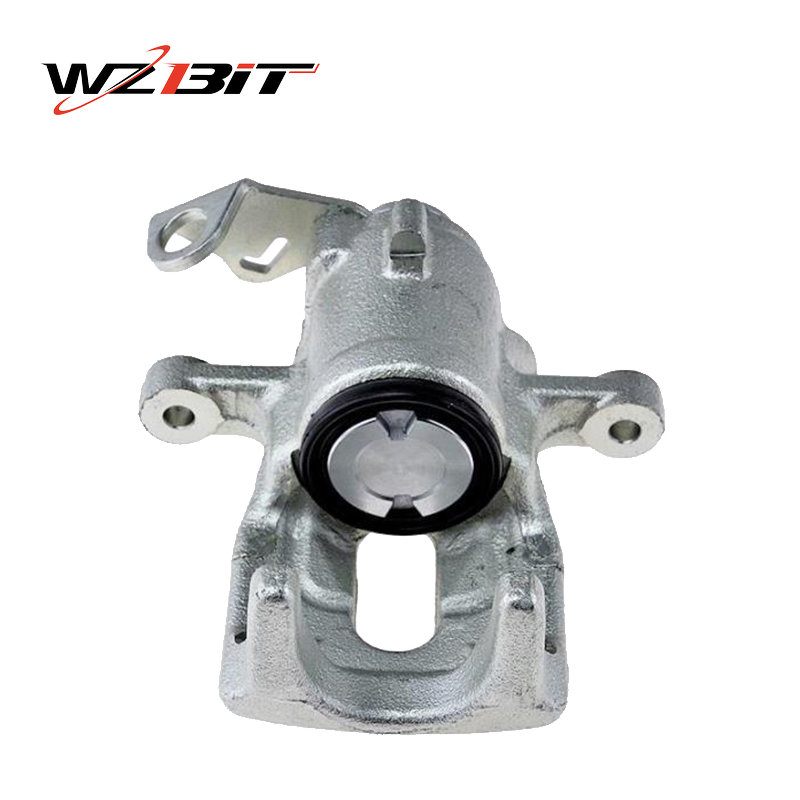
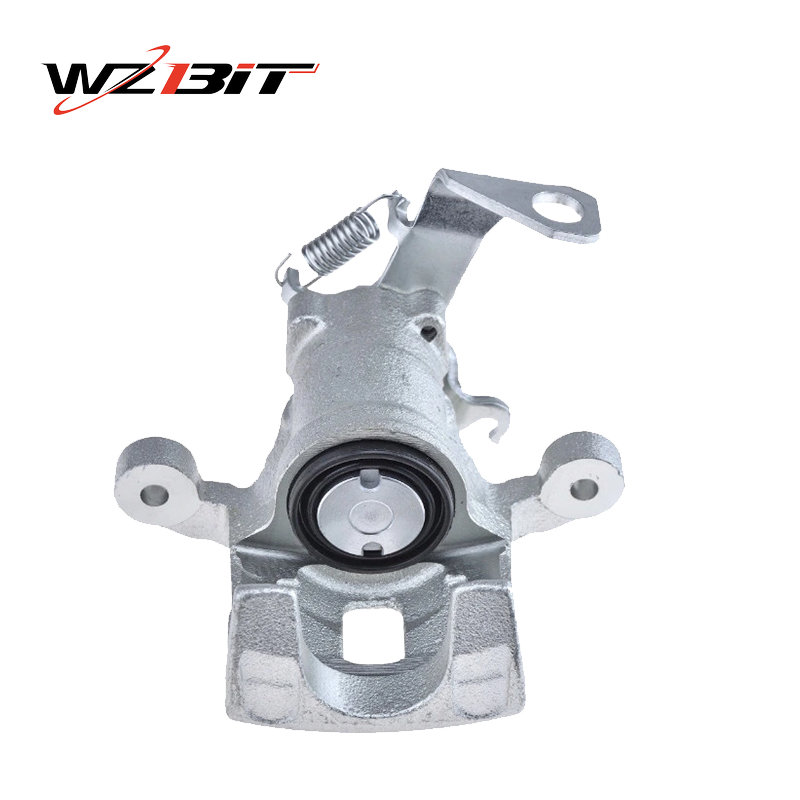
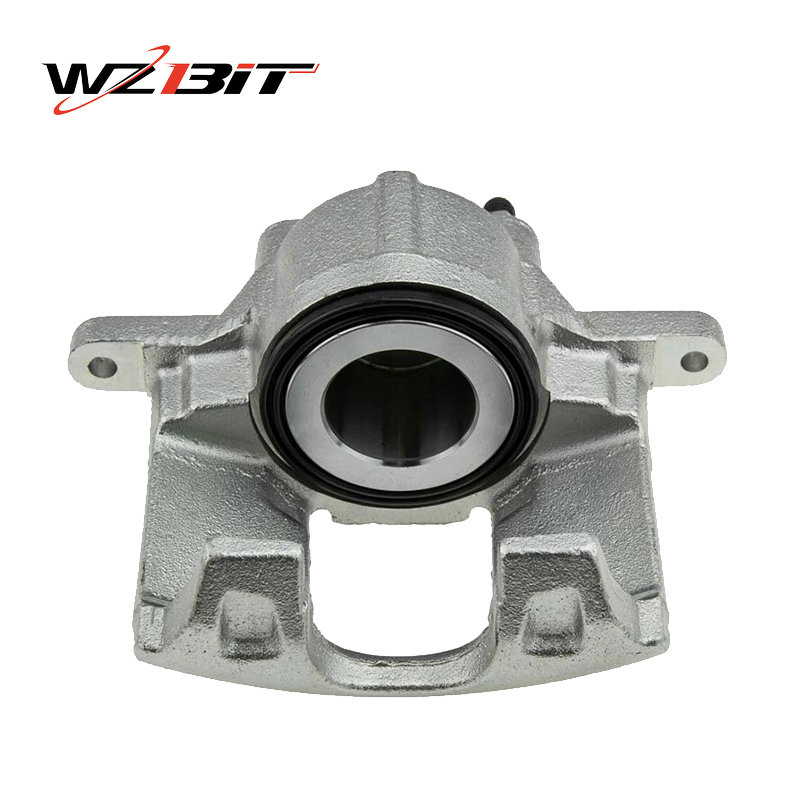
- When buying a replacement, choose a factory-coated unit rather than bare cast iron — the coating is the single best rust prevention.
Your Caliper Rust Questions, Answered
Is surface rust on a caliper normal? Yes, especially on uncoated cast iron in wet or salt-treated climates. A thin reddish film that does not pit, bind, or leak is cosmetic and safe to clean.
Can I just paint over rust to fix it? Paint treats surface appearance, not active corrosion. Surface rust can be cleaned and coated; pitting, bore, or piston rust must be reconditioned or the caliper replaced. Spray-can paint on a failing caliper only hides the problem.
When does rust mean the caliper is unsafe? When it appears on the piston, inside the bore, on seized pins, or with a fluid leak or torn boot. Those break the hydraulic seal and cause sticking or failure.
Do coated calipers never rust? No coating lasts forever, but an e-coated or zinc-plated body resists surface rust for years versus a bare casting. Combined with clean boots and flushed fluid, it dramatically extends caliper life in salt or humid regions.
Rust on a brake caliper is not automatically a failure — thin surface patina is normal cast-iron behavior, while rust on pins, pistons, and bores is the kind that seizes and leaks. Clean and protect the outside, keep boots and pins serviced, and replace the unit the moment corrosion reaches the sealing surfaces. That way normal patina never turns into a brake problem.