
0102030405
Floating vs. Fixed Calipers: Which One Does Your Car Need?
2026-10-30
Open the wheels of two different cars and you will find two very different brake calipers: a compact unit that slides on pins, or a rigid multi-piston block bolted straight to the knuckle. Both do the same job — squeeze the rotor to slow the car — but they reach it in opposite ways, and the design changes cost, feel, maintenance, and suitability for daily driving versus performance. Understanding the difference helps you recognize what your car has, why it was chosen, and what matters when replacing it.
Two Designs, Two Ways to Clamp the Rotor
The split between floating and fixed comes down to whether the body moves:
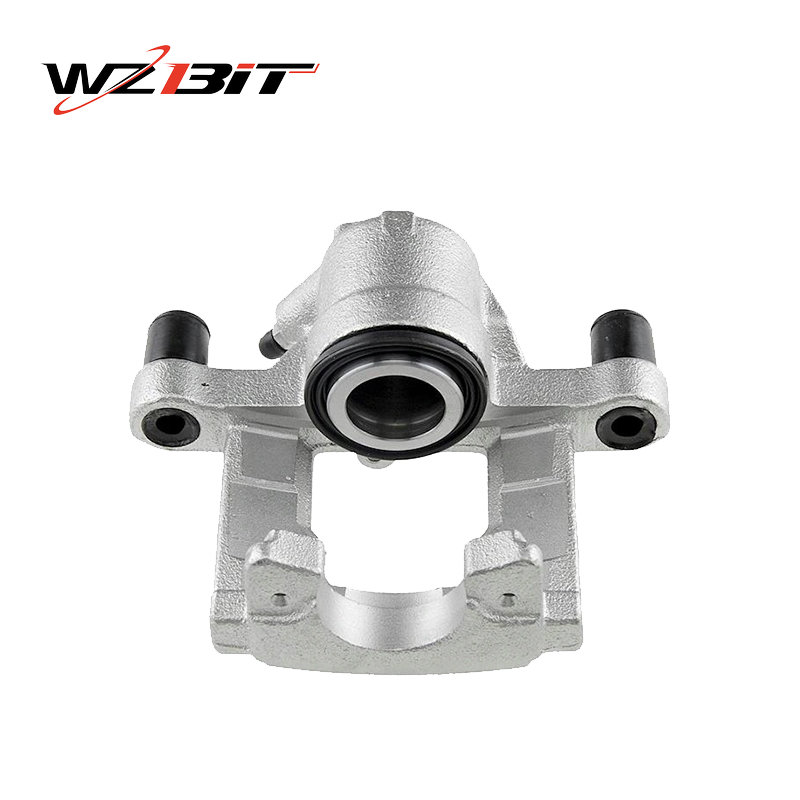
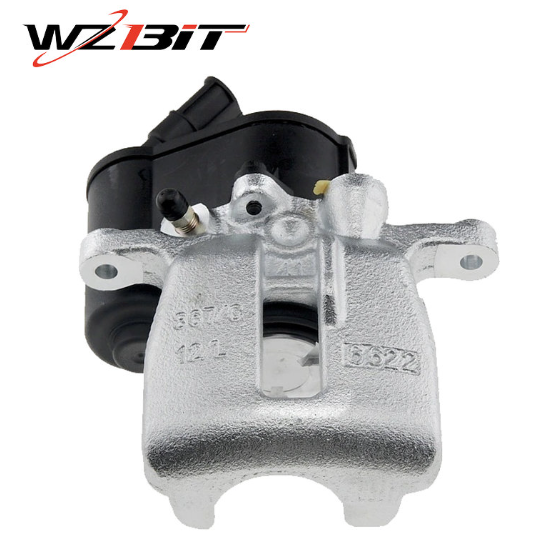
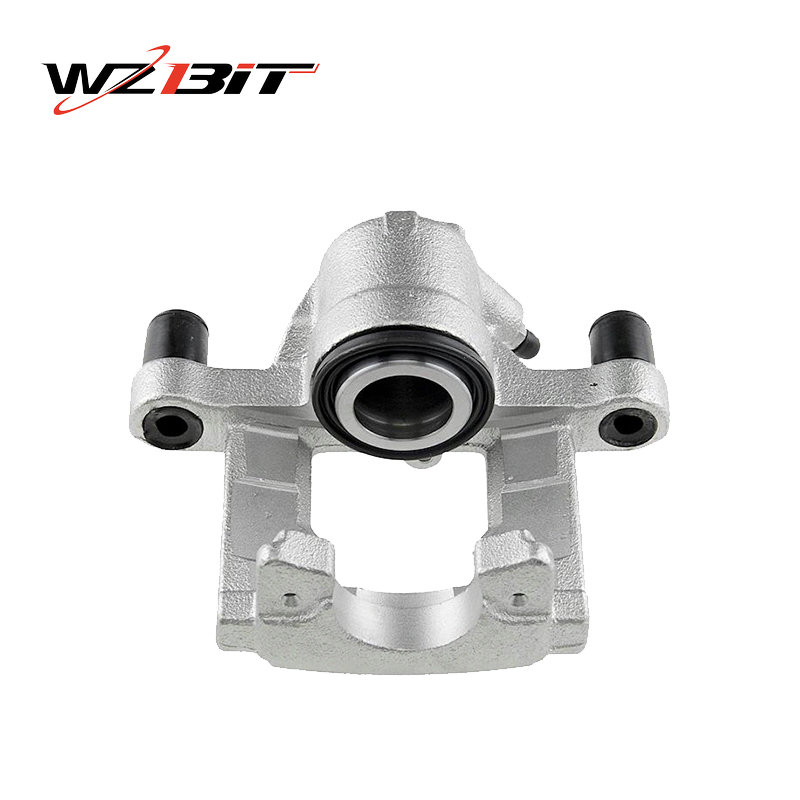
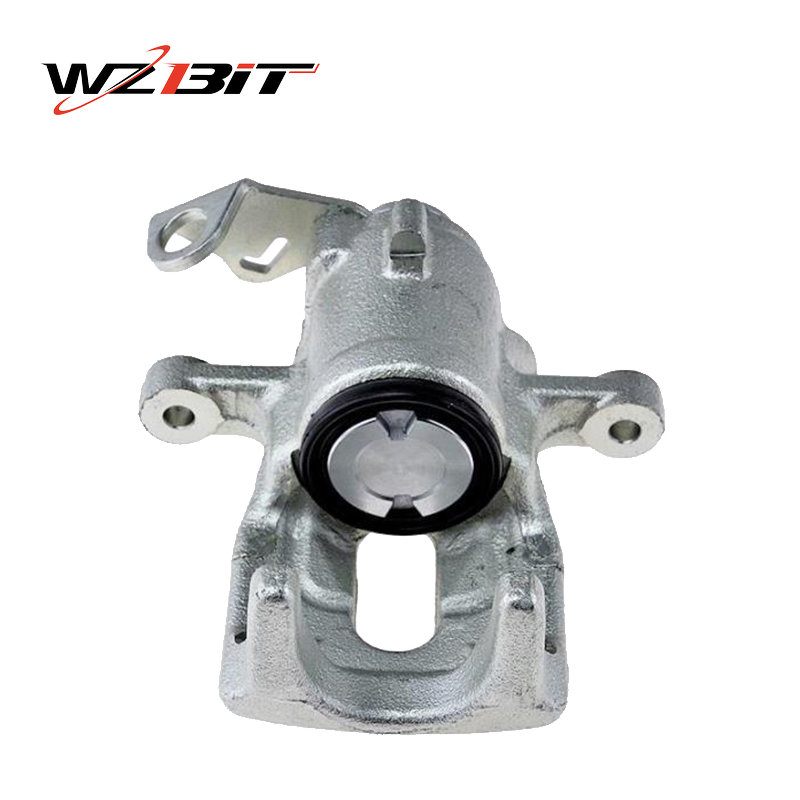
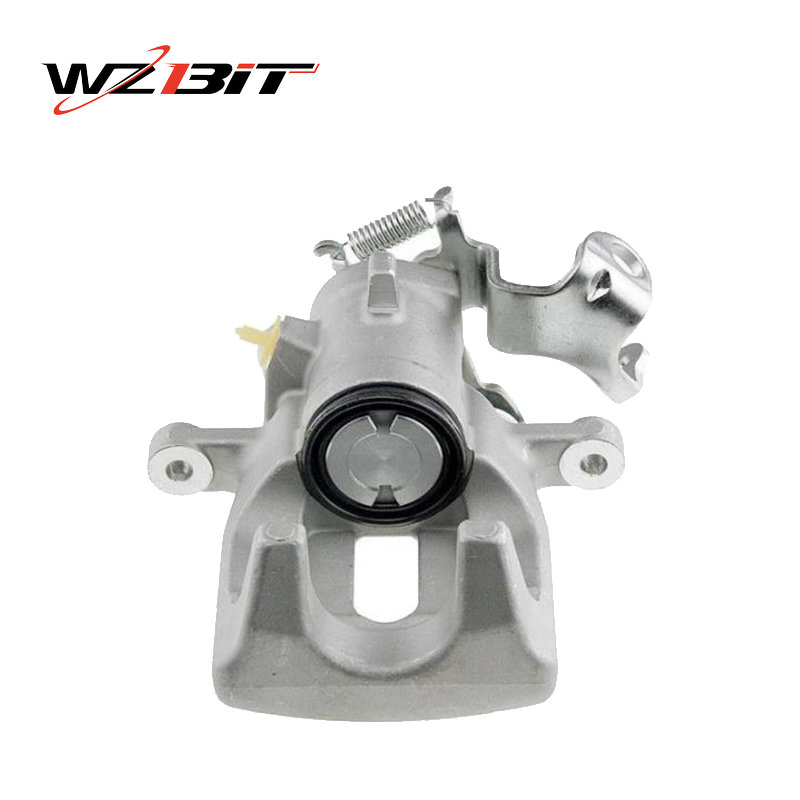
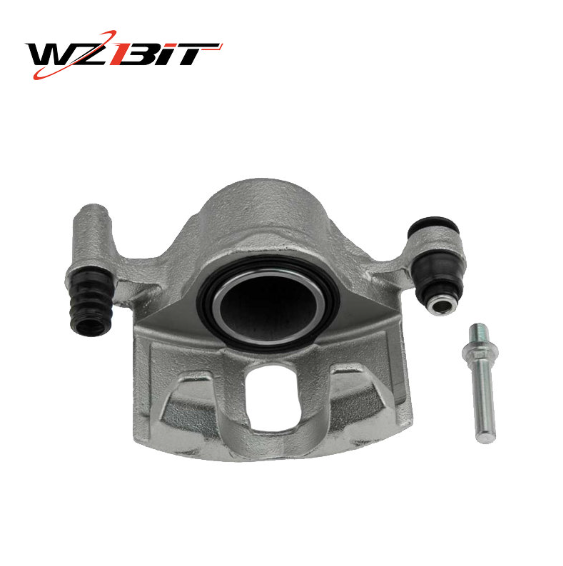
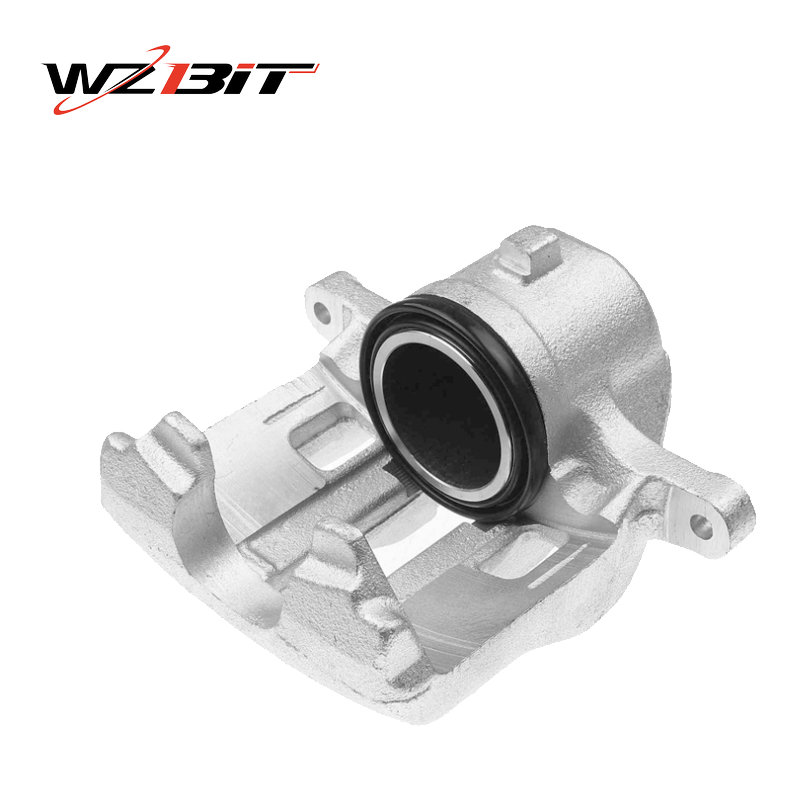
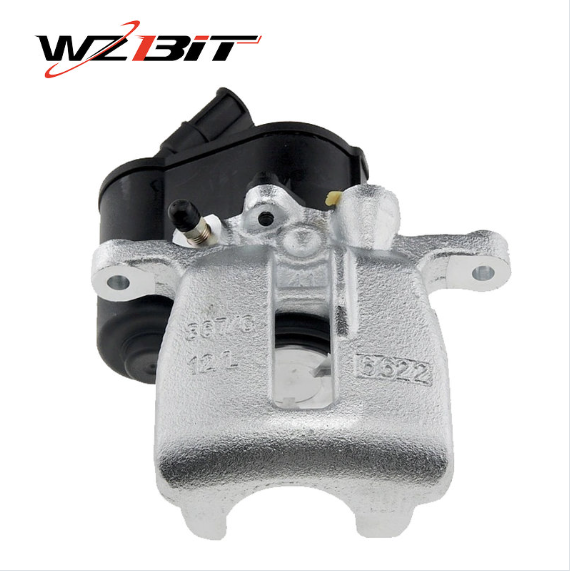
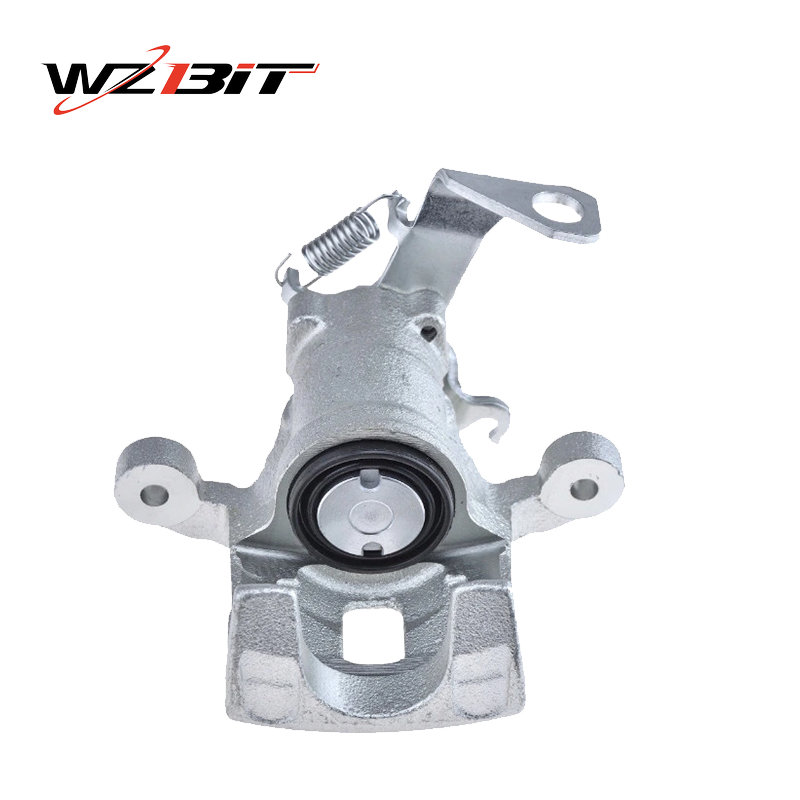
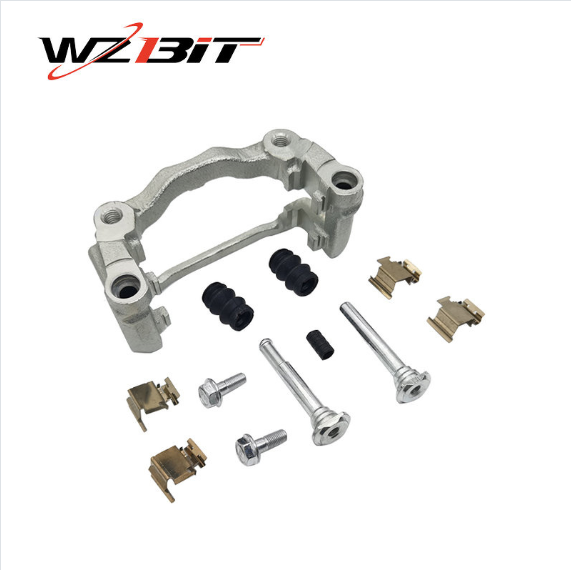
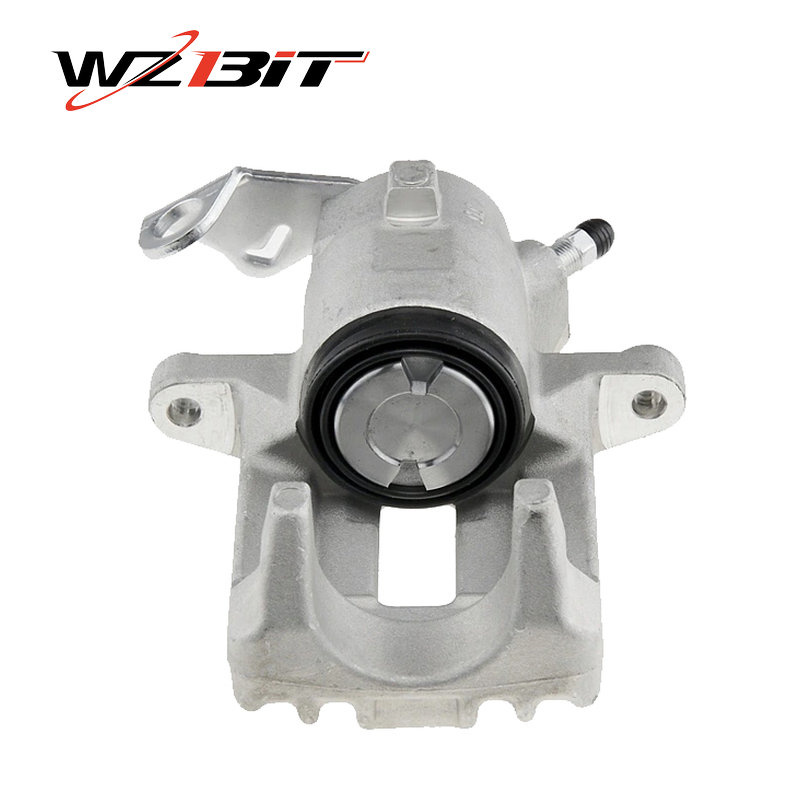
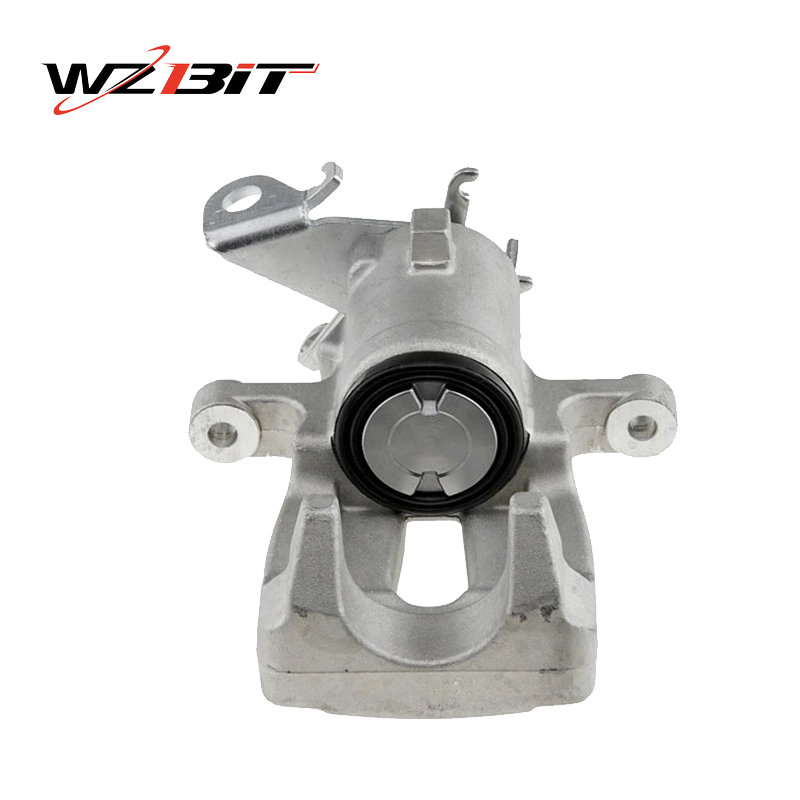
1. The floating caliper slides. It carries one or two pistons on the inner side only. When you brake, the piston pushes the inner pad in, and the whole body slides sideways on guide pins so the outer pad meets the rotor from the other side. Simple, compact, and found on the vast majority of everyday passenger cars.
2. The fixed caliper does not move. Bolted rigidly to the knuckle, it places opposed pistons — commonly 2, 4, 6, or 8 — on both sides of the rotor, clamping evenly from both directions with no sliding motion. Stiffer and more powerful, it is typical of performance, track, luxury, and heavy-duty applications.
3. Why more pistons are not the whole story. A fixed multi-piston unit spreads clamping force more evenly and feels more precise, but piston count alone does not magically shorten stopping distance — pads, rotor, tires, and tire grip still decide how quickly the car actually stops.
Side by Side: How They Compare
- Pistons: Floating uses 1–2 on the inner side; fixed uses opposed 2/4/6/8 across both sides.
- Movement: Floating slides on guide pins; fixed stays rigid and never moves.
- Clamping feel: Fixed delivers stiffer, more linear pedal modulation; floating is simple and adequate for normal stops.
- Pad wear: Fixed presses evenly from both sides for more uniform wear; floating depends on free-moving pins to stay even.
- Heat: Fixed sheds heat better and resists fade under repeated hard stops; floating fades sooner under heavy or track use.
- Cost and size: Floating is cheaper, lighter, and easier to fit; fixed is larger, heavier, more complex, and more expensive.
- Maintenance: Floating needs its slide pins lubricated to avoid seizing; fixed has no pins to bind but more pistons and seals to service.
How to Choose the Right One
- Keep the design your vehicle was engineered with — match the OE type when replacing rather than swapping systems casually.
- Choose floating for everyday commuting, value, and simple service; it is the proven default for normal street use.
- Choose fixed for performance driving, towing, track days, or heavy vehicles where consistent, fade-resistant clamping matters.
- If upgrading, account for wheel clearance, bracket fitment, brake hose, and master cylinder compatibility — a big fixed caliper is not a bolt-on for every car.
- On a floating caliper, prioritize lubricated pins and fresh boots; on a fixed one, inspect every piston seal for even retraction.
- Buy a quality unit regardless of type — a cheap floating seizes, and a cheap fixed leaks, no matter the design.
Your Floating vs. Fixed Questions, Answered
Which is better, floating or fixed? Neither is universally "better." Fixed offers stiffness, even clamping, and heat capacity for performance; floating is cheaper, lighter, and perfectly suited to daily driving. The right choice matches the vehicle and how it is driven.
Can I replace a floating caliper with a fixed one? Not as a simple swap. A fixed caliper needs matching bracket clearance, wheel space, hose routing, and often master cylinder and brake balance changes; it is an upgrade project, not a direct replacement.
Why do most normal cars use floating calipers? Cost, weight, packaging, and simplicity. A single-piston sliding caliper does everyday braking well and is easy and cheap to service, which suits mass-market vehicles.
Do fixed calipers last longer? Not automatically. Life depends on seals, fluid, coating, and maintenance. Fixed calipers resist fade better under heat, but their pistons still need healthy seals to retract and hold fluid.
Floating and fixed are two answers to the same question: how to press the rotor. Floating slides to keep daily driving simple and affordable; fixed stays rigid to deliver precise, powerful, fade-resistant stops. Know which your car uses, match it on replacement, and maintain the weak point of each — pins on a floating, seals on a fixed — and either design will stop you reliably for years.