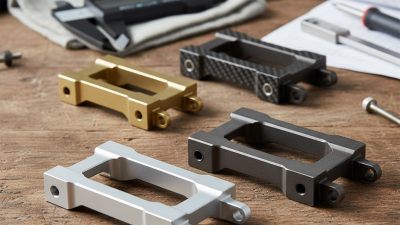
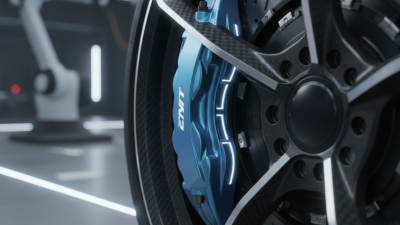
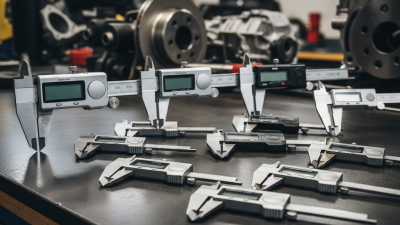
In today’s fast-changing world of cars and industrial gear, the Calliper Carrier is still a pretty important part. It might not be the flashiest component, but it plays a big role in making sure your brake system works properly—key for safety and overall performance. If you’re buying these guys from around the world, it’s super important to stay in the loop about the latest trends and developments.
Lately, there’s been some cool progress with new materials and better manufacturing methods changing the game for these parts. Big names like Brembo and Akebono are really pushing the envelope—making their calliper carriers last longer, lighter, and cheaper to produce. But, not everyone’s on the same page; some manufacturers haven’t caught up yet, so the quality can be all over the place.
Getting a handle on these trends is a smart move when you’re shopping around. Working with reliable suppliers can really help improve your overall system’s performance. As buyers, we’ve gotta ask the right questions and weigh all the factors before pulling the trigger on a Calliper Carrier. Picking quality gear from trusted sources can save us headaches down the road and keep things running smoothly in the long run.
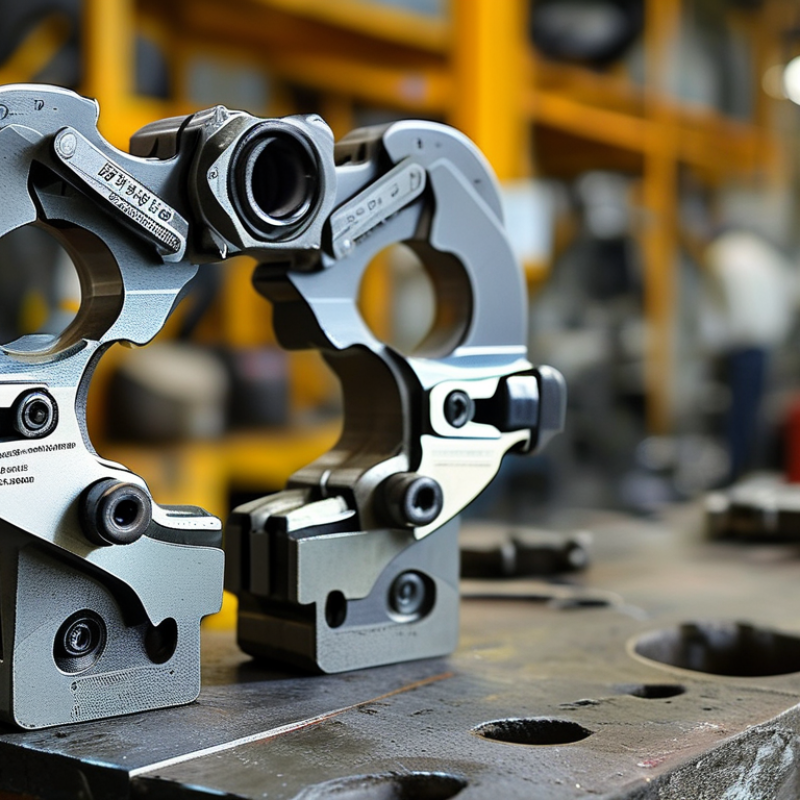
The global caliper carrier market is poised for significant growth in 2026. A rise in automotive and aerospace sectors fuels this demand. Innovations in materials and design will enhance performance and reliability. As buyers look for efficient solutions, understanding the market landscape becomes crucial.
Tips: Always consider the sustainability of materials. Integrating eco-friendly options can appeal to environmentally conscious buyers. Evaluating suppliers for quality assurance is essential.
Investing in technology will play a key role in shaping this market. Automation in production can reduce costs while enhancing precision. Customers increasingly favor products that offer a competitive edge in durability. However, challenges like fluctuating raw material prices may impact growth. Buyers need to stay informed and adaptable in these changing conditions.
Tips: Networking with industry experts can provide insights. Regular market analysis can keep you ahead of trends.
The calliper carrier industry is evolving rapidly as we approach 2026. Key innovations will redefine how manufacturers approach design and functionality. Advanced materials are gaining traction, bringing about lighter and more durable products. This shift enhances performance while reducing environmental impact. Suppliers must prioritize sustainable practices. However, sourcing reliable materials remains a challenge for some producers.
In manufacturing, automation is becoming essential. Fully automated production lines can increase efficiency. This technology minimizes human error and boosts precision. However, the initial investment can be daunting for smaller plants. Companies must evaluate the long-term benefits versus upfront costs. Collaboration with experts can provide insights into optimizing operations without excessive expenditure.
Moreover, customization is emerging as a significant trend. Buyers increasingly demand bespoke solutions tailored to specific needs. This shift encourages manufacturers to adopt flexible production systems. However, balancing customization with mass production remains difficult. Many factories, including those in the China Top Calliper Carrier Factory landscape, are learning to adapt. The pressure to innovate continuously challenges existing processes while fostering growth.
This chart illustrates the projected growth trends in the calliper carrier industry for 2026, focusing on innovations shaping the market.
Emerging materials are reshaping the calliper carrier industry. Innovations like carbon fiber and advanced polymers are enhancing durability and performance. A recent study indicated that materials with high tensile strength improve load-bearing capacity by up to 30%. This significant boost in performance is critical for today’s demanding automotive applications.
Tips: Consider the weight-to-strength ratio when selecting materials. Lighter carriers do not compromise on strength.
User preferences are shifting towards environmentally friendly options. Biodegradable materials are slowly entering the market. Industry reports suggest that more than 15% of consumers prioritize eco-friendliness in their purchasing decisions. However, these materials often lag in performance metrics compared to traditional options.
Tips: Research the lifecycle of the materials you consider. Some might need revisiting due to their performance limitations.
China Best Calliper Carrier Factory highlights the need for research in new material technologies. The balance between sustainability and performance remains essential. Continuous innovation is necessary to keep pace with evolving market demands.
The demand for calliper carriers varies significantly across key regions. In North America, the market is expected to grow steadily. Industry reports indicate a rise in automotive production, driving the need for high-quality measurement tools. The automotive sector aims for precision and efficiency, pushing the adoption of advanced calliper carriers.
Europe shows a different trend. The market is supported by a strong manufacturing base. Germany and the UK account for substantial shares in production. Reports suggest a growing emphasis on automation, creating a need for innovative calliper carriers. However, some companies still rely on traditional methods. This could lead to inefficiencies and missed opportunities in a rapidly evolving market.
Asia Pacific, particularly China and India, presents significant potential. A surge in industrialization has increased the demand for precision instruments. Yet, challenges remain. Many manufacturers do not fully understand the technology. This gap could hinder market growth. Adapting to regional needs is crucial for success in this competitive landscape. The insights gathered indicate that understanding these regional dynamics is essential for meeting diverse consumer demands effectively.
| Region | Demand (Units) | Growth Rate (%) | Market Share (%) |
|---|---|---|---|
| North America | 500,000 | 4.5% | 30% |
| Europe | 350,000 | 3.8% | 25% |
| Asia-Pacific | 600,000 | 5.2% | 35% |
| Latin America | 200,000 | 3.0% | 10% |
| Middle East and Africa | 150,000 | 2.5% | 5% |
As we look toward 2026, sustainability is reshaping the calliper carrier design landscape. Industry reports indicate that over 70% of consumers prefer products made from eco-friendly materials. This trend influences manufacturers to rethink their design approaches. For instance, biodegradable and recycled materials are gaining prominence. This shift not only appeals to consumers but also meets stricter regulations around environmental impact.
Innovative designs are emerging, with a focus on lightweight yet durable solutions. Research shows that reducing material usage by 30% can still maintain performance. This not only lowers production costs but also minimizes waste. Companies are increasingly incorporating energy-efficient manufacturing processes. Such advancements reflect a commitment to sustainability, while offering competitive advantages in the market.
Tips for buyers: Prioritize suppliers who demonstrate transparent sourcing practices. Research their sustainability credentials. Look for certifications that confirm environmentally friendly practices. Engaging with brands that align with your values can lead to better choices. Remember, the responsibility lies not only with manufacturers but also with consumers to drive these trends forward.
The competitive landscape of the calliper carrier market is constantly evolving. Major players significantly influence market share and trends, often by adapting to consumer needs. In 2022, the calliper carrier market was valued at approximately $1.5 billion, with projections indicating a compound annual growth rate (CAGR) of 6% through 2026. This growth is driven by advancements in materials and enhanced manufacturing techniques.
To better understand the market dynamics, analyzing the market share reveals that a few companies dominate the landscape. These entities control over 50% of the total market share. They leverage cutting-edge technology to offer innovative solutions. However, smaller players are rising as niche suppliers, addressing specific client requirements. This shift offers opportunities but also challenges established brands.
Tip: Consider diversifying your supplier network. Engaging with emerging players can provide cost advantages and innovative products. As the demand for quality rises, maintaining a balance between established and emerging suppliers is crucial.
Moreover, sourcing from regions like China can significantly reduce manufacturing costs. The cost-effectiveness of "China Top Calliper Carrier Supplier" stands out. This region is innovating, but quality control remains a concern that requires careful evaluation. Regular audits and inspections can mitigate risks associated with supplier reliability.
Consumer preferences significantly shape the calliper carrier market. Buyers are now more focused on durability and functionality. Materials used in manufacturing are crucial. Lightweight yet sturdy options are becoming increasingly popular. Many consumers are drawn to carriers that offer ergonomic designs for comfort. This shift reflects a demand for products that improve user experience in practical settings.
Sustainability is another vital trend. Eco-friendly materials attract buyers who prioritize green practices. Companies that highlight their environmental responsibility tend to build trust. Insight from the market shows that consumers often research products before purchasing. The influence of online reviews and user feedback cannot be underestimated. Those seeking reliable options often search for a "China Best Calliper Carrier Supplier" to ensure quality.
A gap still exists in understanding specific consumer needs. Some buyers struggle to find options that perfectly align with their expectations. This mismatch can lead to dissatisfaction. Continuous feedback loops from customers can guide manufacturers in addressing these concerns. As the market evolves, staying attuned to these preferences will be key.
: Innovations include advanced materials and automation, enhancing durability and efficiency.
Automation minimizes human error and boosts precision but requires a significant initial investment.
Buyers demand bespoke solutions, pushing manufacturers toward flexible production systems.
Consumers prioritize durability and ergonomic designs, seeking products that enhance usability.
Eco-friendly materials attract buyers focused on green practices and building trust with brands.
Balancing customization with mass production is difficult, impacting efficiency and costs.
Regular audits and inspections are essential to mitigate risks and ensure quality.
The market is projected to grow at a CAGR of 6% through 2026.
Engaging emerging players can offer cost advantages and access to innovative products.
A gap exists in understanding consumer needs, sometimes leading to dissatisfaction.
The 2026 global calliper carrier market is poised for significant growth, driven by innovations and emerging materials that enhance performance and efficiency. As manufacturers focus on sustainability, the design of calliper carriers is evolving to meet environmental standards while addressing consumer preferences for durability and usability.
Market segmentation reveals key regions with varying demands, indicating a diverse landscape influenced by regional trends. Players in the calliper carrier industry must navigate this competitive environment by leveraging advancements and understanding consumer insights to capture market share. Overall, the interplay between innovation, sustainability, and consumer needs will shape the future of the calliper carrier market.